
Taste profile·Beer·Updated Oct 20, 2026
German wheat beer: what hefeweizen tastes like, with rcmd ratings
Banana, clove and a soft, hazy body: what makes a German hefeweizen, how ten of them have been rated on rcmd so far, and how the style differs from a Belgian witbier.
Hefeweizen is the classic wheat beer of Bavaria. Ten have been rated on rcmd so far — all by the same reviewer, one rating each — and they land in a narrow band: five at four stars, five at three, none at five. That is a different picture from Belgian-style witbiers, which hold most of the five-star spots in our beer ratings (see our witbier guide). This guide explains what a hefeweizen should taste like, and what the reviews say.
What makes a hefeweizen
In Germany, a wheat beer — Weizenbier or Weissbier, the two names mean the same style — must be brewed with at least half wheat malt. Hefe means yeast: the beer is bottled unfiltered, so it pours hazy and golden, with a tall, dense head. Most are around 5–5.5% ABV.
The flavour comes from the yeast, not from spices. Wheat-beer yeast produces fruity notes that smell of ripe banana and spicy ones that taste of clove, sometimes with a hint of vanilla or bubblegum. Hops stay in the background, so a good hefeweizen is soft, a little sweet and only lightly bitter.
Hefeweizen or witbier?
Flavour: yeast in a hefeweizen (banana, clove); added spices in a witbier (coriander, orange peel).
Grain: hefeweizen uses malted wheat; witbier traditionally uses unmalted wheat.
Body: hefeweizen is usually fuller and creamier; witbier is lighter and more citrusy.
The hefeweizens rated on rcmd










Four stars
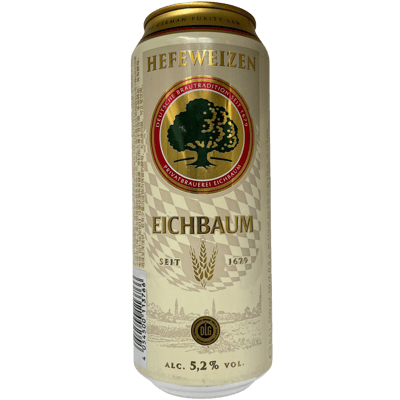
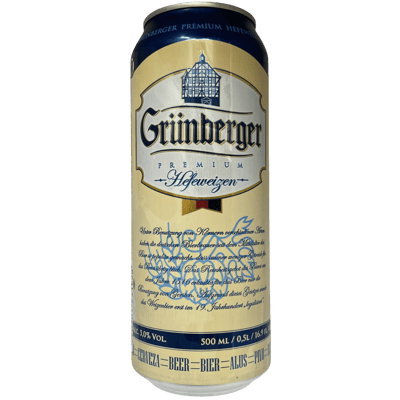
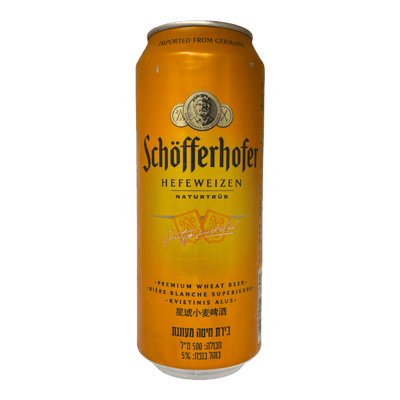
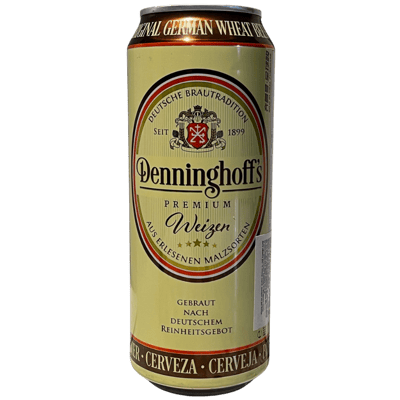
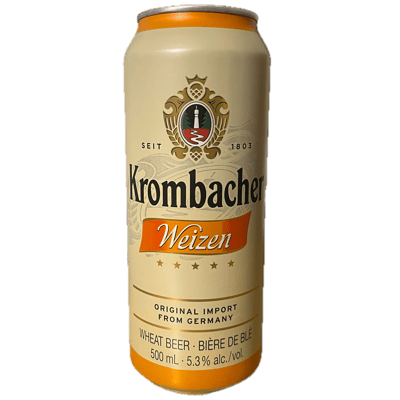
Eichbaum Wheat Beer was praised simply for a nice taste, and Volfas Engelman Grunberger Hefeweizen — a Lithuanian brewery's take on the German style — was called a good one. Schofferhofer Hefeweizen was rated pretty good and Denninghoffs Weizen decent. Krombacher Weizen also got four stars, with a reservation: good, but something is missing.
Three stars
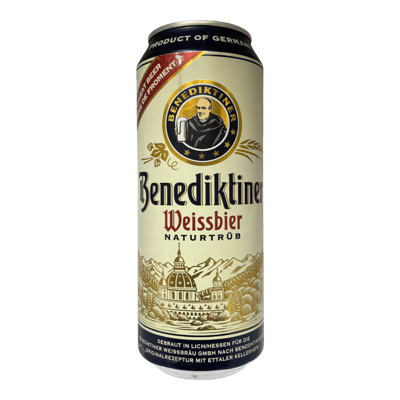
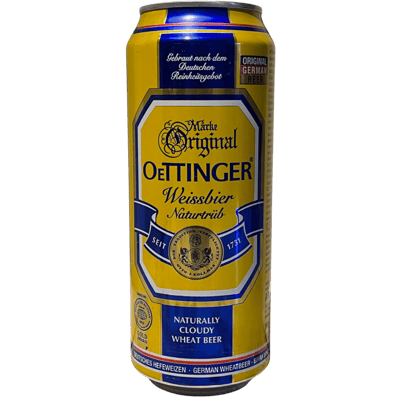
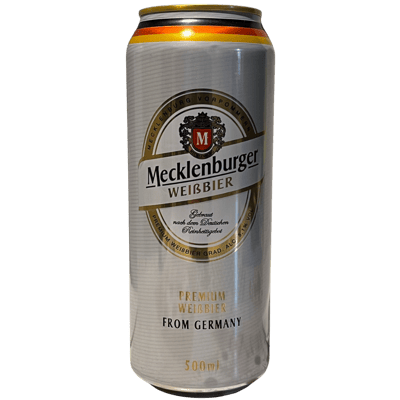
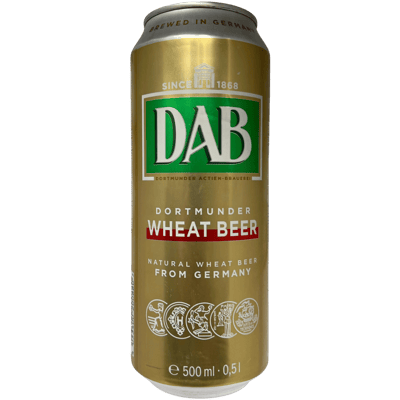
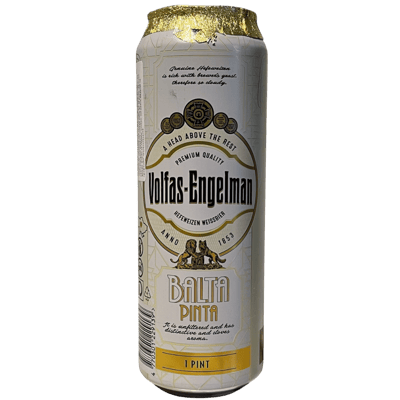
The other five did not win the reviewer over. Benediktiner Weissbier was OK but low on flavour. Oettinger Weissbier was not to their taste, although they rated its quality as good. Mecklenburger Weissbier and DAB Wheat Beer were not much liked, and Volfas Engelman Balta Pinta got a plain 3/5.
Hefeweizen with fruit
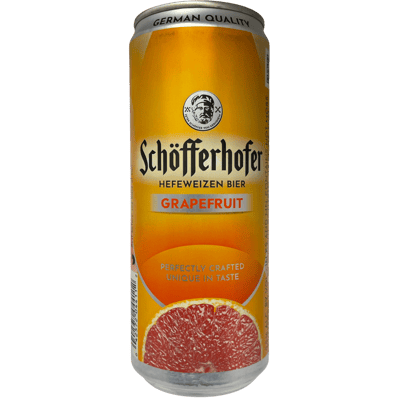
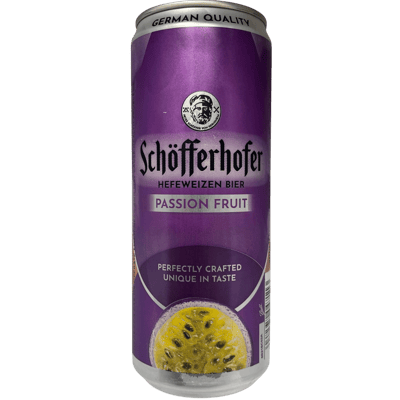
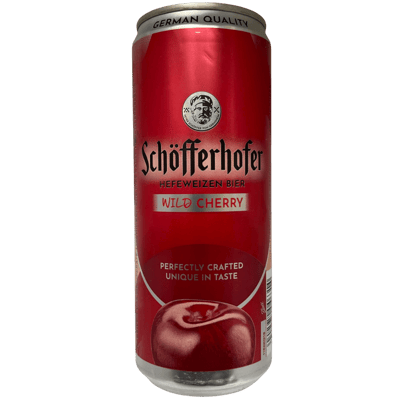
Schofferhofer also mixes its hefeweizen half-and-half with fruit drinks. Three of these have been rated, all at three stars: Grapefruit was called fun to try, while Passion Fruit and Wild Cherry left the reviewer neutral. Expect something lighter and sweeter than the beer alone, closer to a radler.



How to serve it
Use a tall, curved wheat-beer glass: it leaves room for the big head.
Serve at about 6–8 °C — colder, and the banana and clove disappear.
Pour most of the bottle slowly, then swirl the rest to lift the yeast and add it on top. The haze is part of the style.
It goes with Bavarian classics such as white sausage and pretzels, and with salads and mild cheese.
Every beer rated on rcmd is in the beer category. Tried a hefeweizen that is not here yet? Rate it — the more ratings, the clearer the picture.
Frequently asked questions
What does hefeweizen taste like?
Soft, slightly sweet and only lightly bitter, with banana and clove notes that come from the yeast. It is hazy and has a creamy, full body.
Is hefeweizen the same as weissbier?
Yes. Weissbier ("white beer") and Weizenbier or Hefeweizen ("yeast wheat") name the same Bavarian style. A filtered, clear version is called Kristallweizen.
What is the difference between hefeweizen and witbier?
Both are cloudy wheat beers. Hefeweizen gets banana and clove from its yeast and uses malted wheat; witbier is spiced with coriander and orange peel and uses unmalted wheat, which makes it lighter and more citrusy.
How are these beers rated?
By rcmd members after trying them. So far each hefeweizen here has a single rating, so the order will change as more people rate.