
How to choose·Beer·Updated Oct 20, 2026
Pilsner, helles or lager: how to choose, with rcmd ratings
What separates a pilsner from a helles or an unfiltered lager, how 19 pale lagers have been rated on rcmd so far, and how to find the style that suits you.
Pale lager is the most common beer style in the world, and a lot of variety hides behind very similar labels. This guide covers nineteen pale lagers rated on rcmd so far — all by one reviewer — and none reached five stars: six got four, twelve got three and one got two. The best-rated beers on rcmd are wheat beers (see our witbier guide), but the lager reviews still show which styles hold up — and help you choose between them.
The styles behind the labels
Pilsner
Pilsner was first brewed in 1842 in Plzeň, in today's Czech Republic. It is pale, clear and crisp, with a distinct hop bitterness and a dry finish. German pils is usually drier and more bitter than the Czech original.
Helles
Helles ("pale" in German) is Munich's answer to pilsner, first brewed in the 1890s. It is softer and maltier, with bready, slightly sweet flavours and much less bitterness.
Světlé and everyday lagers
Czech světlé ("pale") lagers and most "premium" lagers sit between the two: light, easy-drinking and mild, made to refresh rather than to stand out.
Unfiltered lager
Unfiltered lagers keep some of the yeast. They pour hazier and taste fuller and more bready than filtered ones.
The best-rated lagers so far

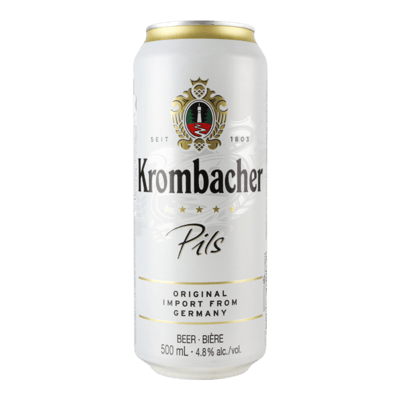

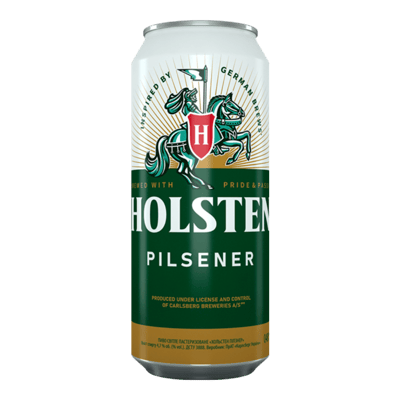

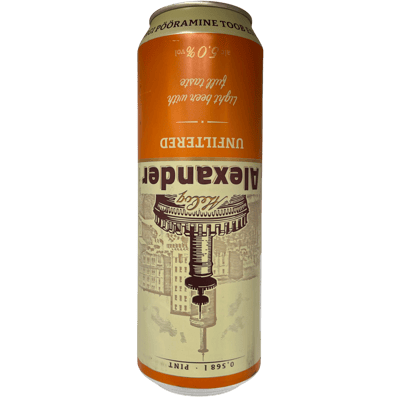

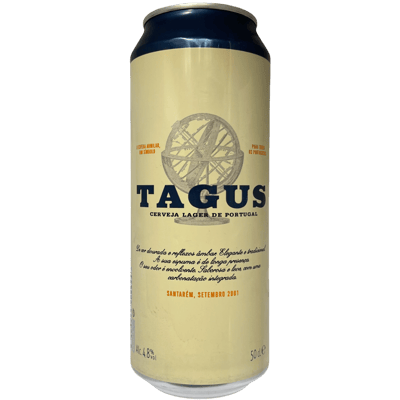

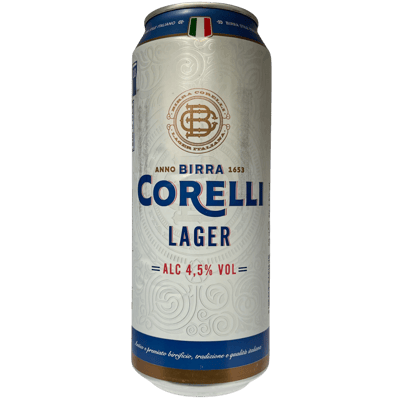

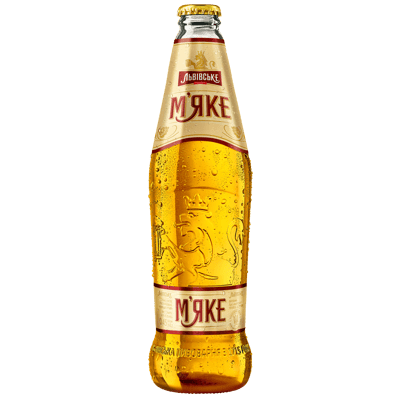
Two German pilsners lead: Krombacher Pils and Holsten Pilsener both have four stars, though the reviews are modest — "it seemed OK" and "basic". The Estonian A. Le Coq Alexander Unfiltered, an unfiltered lager, was called a pretty good one. Tagus Lager (decent) and Corelli Lager, an Italian-style lager (OK), complete the four-star group together with Lvivske Myake, called a nice bottled beer.
Pils or helles?
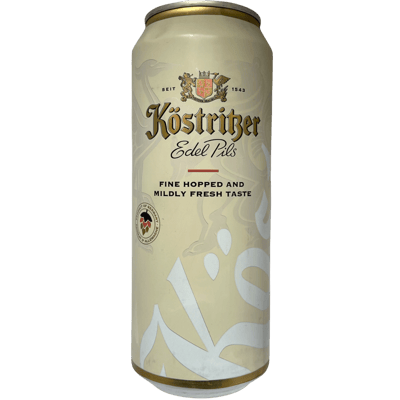
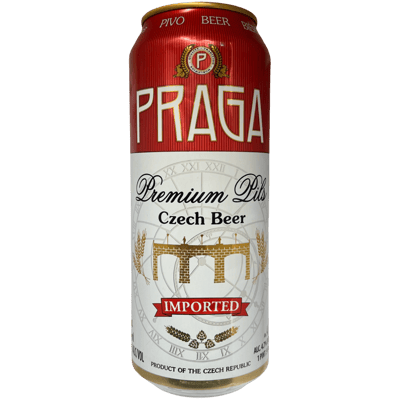
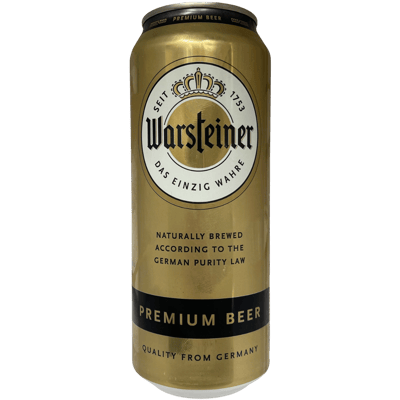
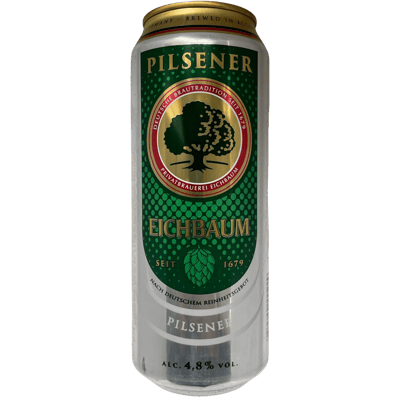
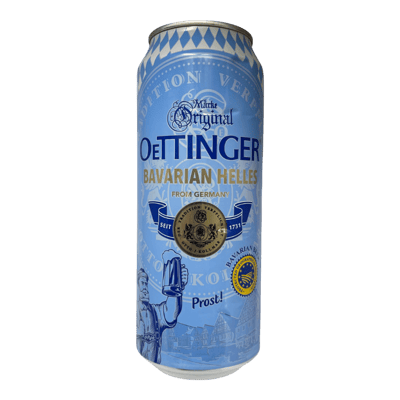
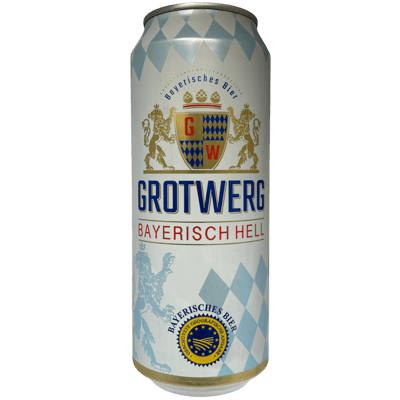
The other pilsners landed at three stars: Kostritzer Edel Pils (something is off, but still OK), Praga Premium Pils (average), and Warsteiner Premium and Eichbaum Pilsener (both basic). The two helles did no better: Oettinger Bavarian Helles was average, and Grotwerg Bayerisch Hell was not to the reviewer's taste.
So the choice comes down to what you like. If you enjoy bitterness, start with a pils. If you find pils too sharp, helles is the softer route.






Unfiltered and everyday lagers
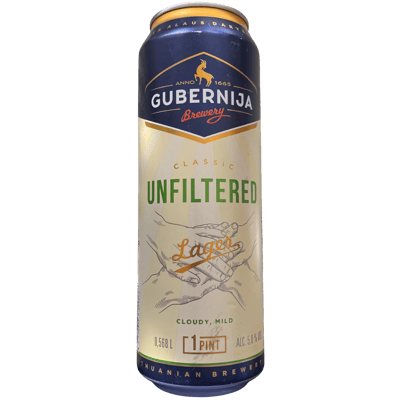
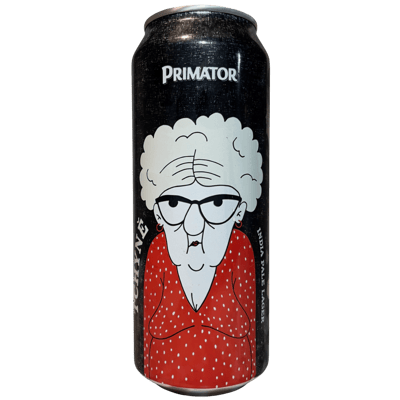
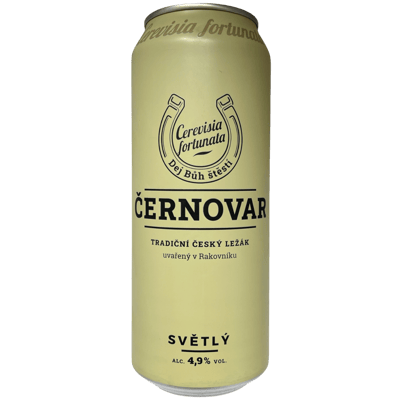
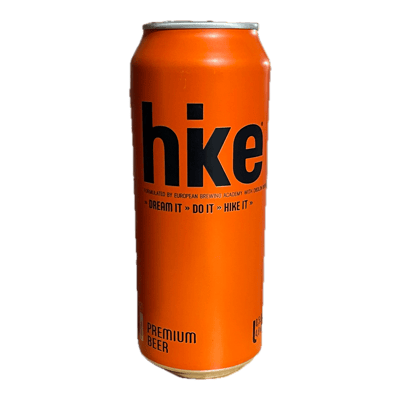
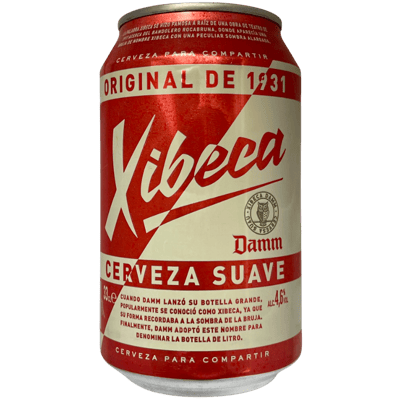
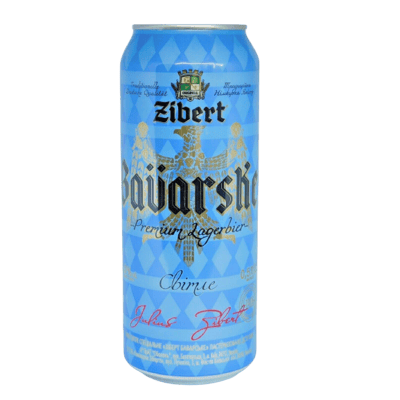
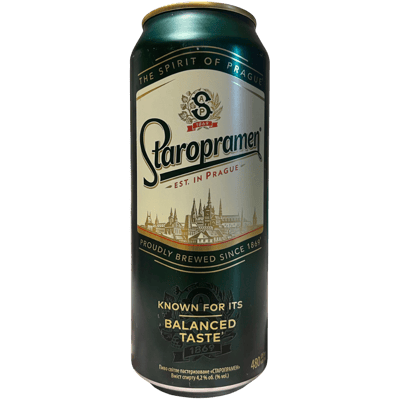
Besides A. Le Coq, two more unfiltered lagers were rated: Gubernija Unfiltered Lager and Primator Mother In Law, both called average. Among everyday lagers, Cernovar Svetle was nothing special, and Obolon's Hike Premium was average — but good if you have a limited choice. Xibeca Original and Zibert Bavarske got three stars with little enthusiasm (the second was described as just beer mixed with water), and Staropramen Premium is the only lager here with two.







How to choose
Want crisp and bitter? Choose a pilsner, ideally a German pils.
Want soft and malty? Choose a helles.
Want more body? Try an unfiltered lager.
Want something light for a hot day? An everyday pale lager does the job — just don't expect much character.
Drink it fresh and cold, at 4–7 °C, and keep bottles out of the light: light is what gives beer a "skunky" taste.
Every beer rated on rcmd is in the beer category. If you have a favourite lager, rate it — a single five-star rating would change this page.
Frequently asked questions
What is the difference between pilsner and lager?
Pilsner is one type of lager. All lagers are brewed with bottom-fermenting yeast at cool temperatures; pilsner is the pale, crisp, noticeably hoppy style that started in Plzeň in 1842.
What does helles mean?
"Pale" in German. Helles is a Munich lager that is softer, maltier and less bitter than pilsner.
Is unfiltered lager better?
Not better, just different: the yeast left in makes it hazier, fuller-bodied and more bready.
Why has no lager got five stars?
Each lager here has a single rating so far, from one reviewer. As more people rate, the picture will change — rate the lagers you know to help.